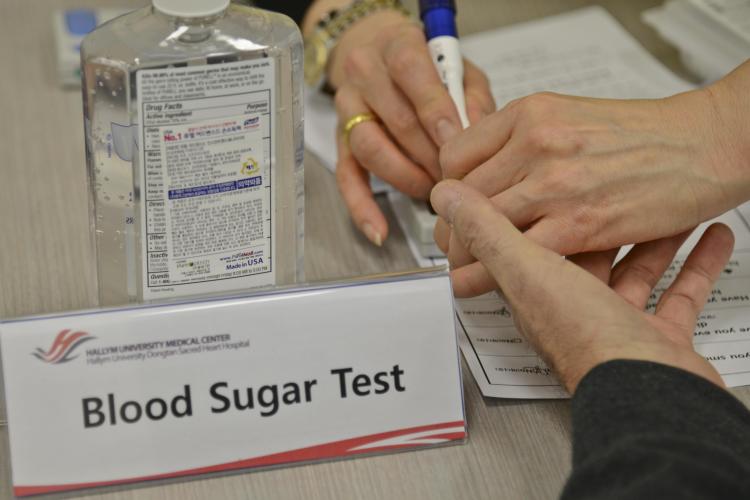
Blood sugar supplements are used to keep blood glucose levels in a healthy range. Among the most popular dietary supplements available, these products are increasingly used as an alternative to prescription hypoglycemic medications.
On this page we are going to discuss the research behind popular blood sugar supplement ingredients to figure out whether they’re worth taking. For more information on the science behind blood sugar and blood sugar supplements in general, check out our blood sugar guide.
Alpha Lipoic Acid
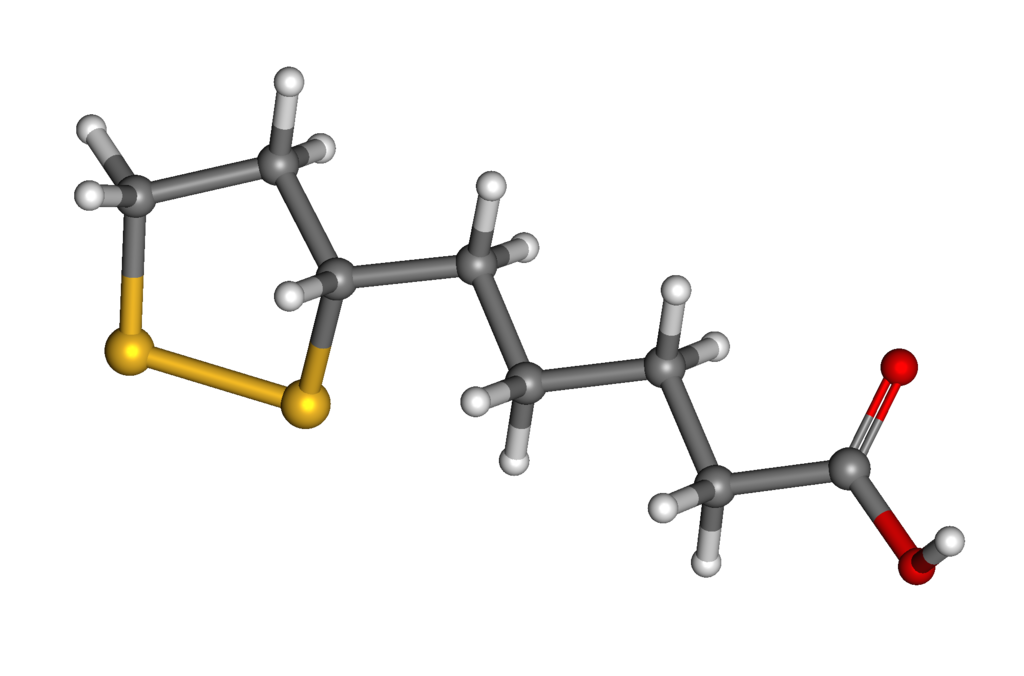
In addition, ALA has demonstrated the ability to lower blood sugar by activating AMPK, an enzyme that increases blood glucose uptake and insulin sensitivity. However, clinical evidence on its blood sugar-lowering effects remains mixed, with some positive and some negative findings.
Read more: Alpha lipoic acid for blood sugar
Bilberry
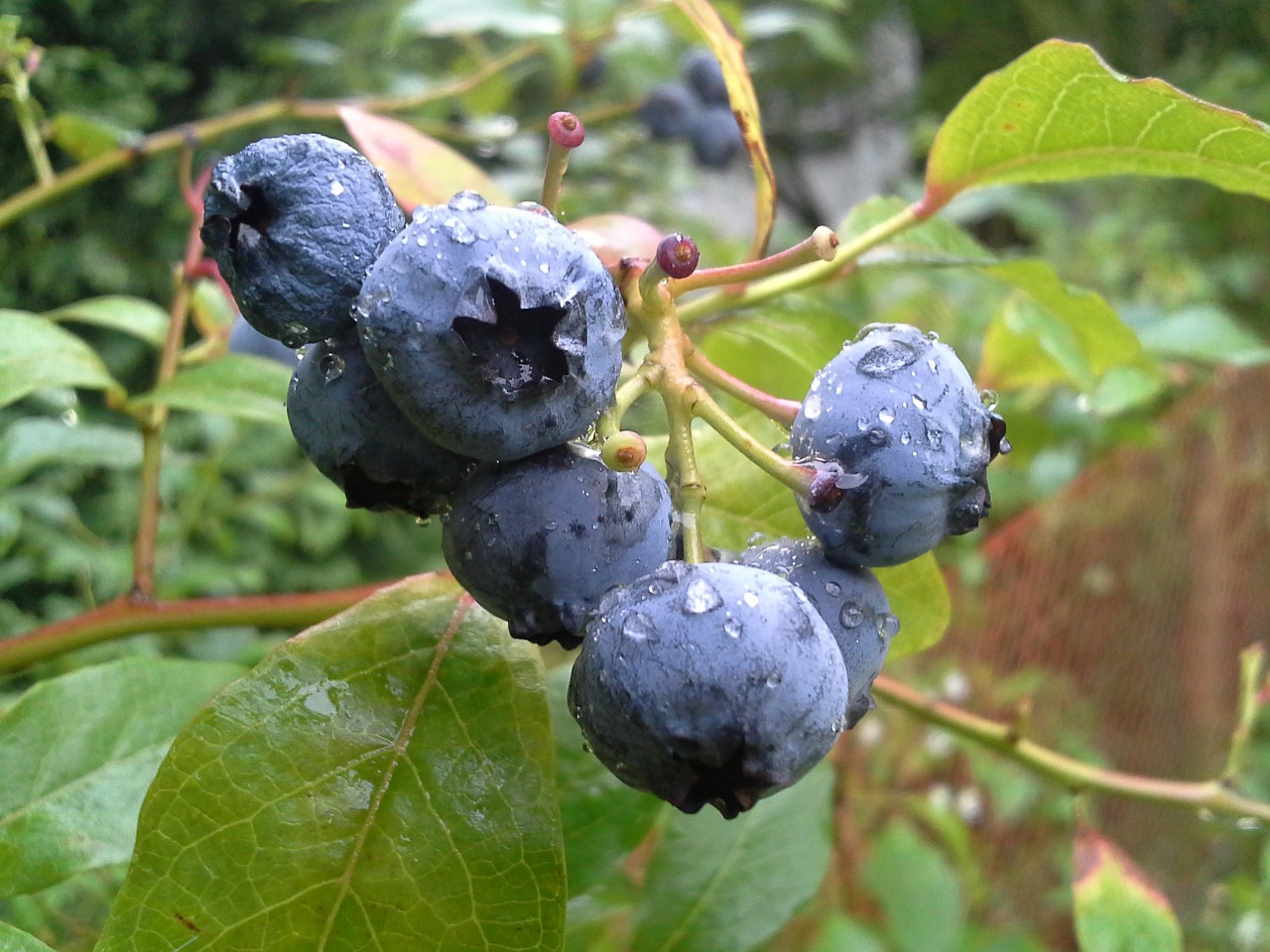
A European cousin of the blueberry, bilberry is a plant with edible berries. Although mainly recognized for supporting healthy vision, bilberry preparations are also used to lower blood sugar levels. The fruits and leaves of the plant contain compounds that have been suggested to lower glucose absorption, improve insulin activity, and enhancing glucose transport.
Unfortunately, there are few quality studies of bilberry’s blood sugar effects. As such, it’s not clear whether it has any significant hypoglycemic benefits.
Read more: Bilberry for blood sugar
Bitter Melon

Research indicates that bitter melon contains compounds that can both support and mimic the effects of insulin, in addition to blocking glucose absorption and improving metabolism.
Despite this, human studies of bitter melon report inconclusive results, with some positive and some negative findings. In addition, most studies suffer from being low-quality.
Read more: Bitter melon for blood sugar
Chromium
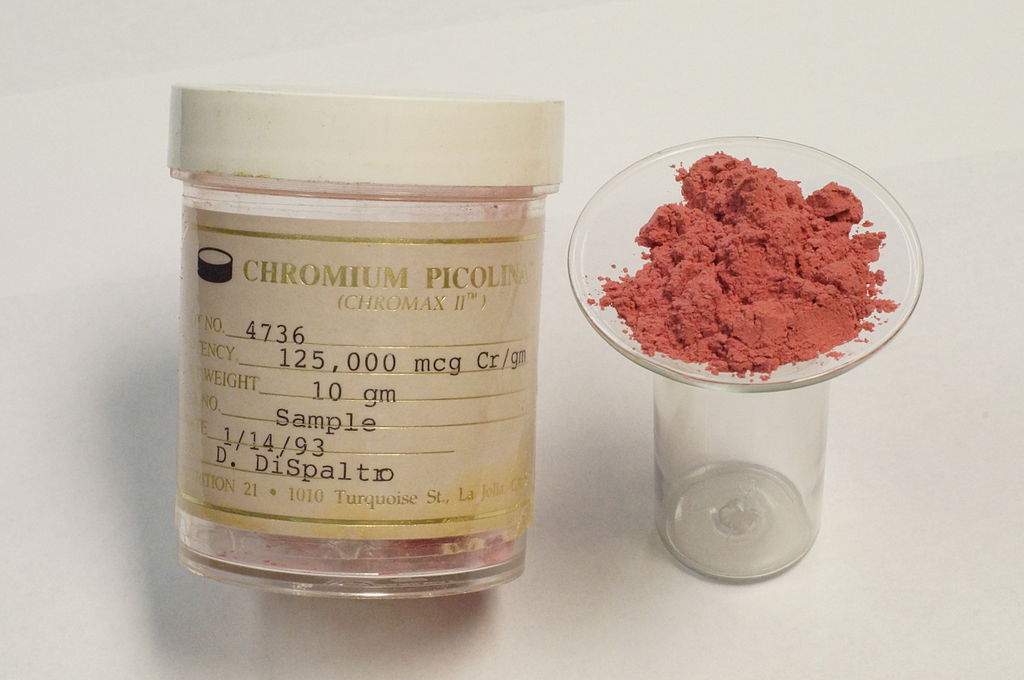
Despite chromium’s popularity as a blood-sugar lowering supplement, the research evidence is inconclusive. At most, research suggests that diabetics have lower average chromium levels than healthy individuals.
Read more: Chromium for blood sugar
Cinnamon
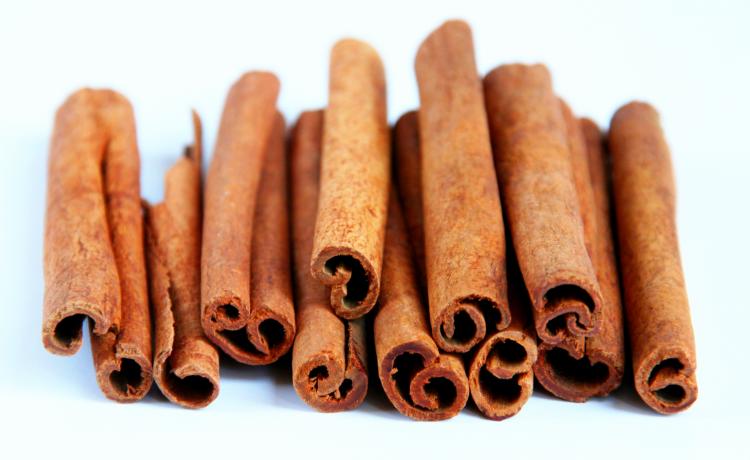
Although better known as a spice, cinnamon also possesses medicinal properties. It’s been used for millennia to treat a everything from digestive concerns to brain disorders. Today, cinnamon supplements are a popular natural solution for elevated blood sugar.
Research suggests that cinnamon not only reduces the absorption of dietary glucose, but also supports the function of insulin.
Clinical research of cinnamon has reported promising results, with the majority of studies showing reductions in blood sugar levels. As such, cinnamon is one of the most reliable natural options for blood sugar control.
Read more: Cinnamon for blood sugar
Copper
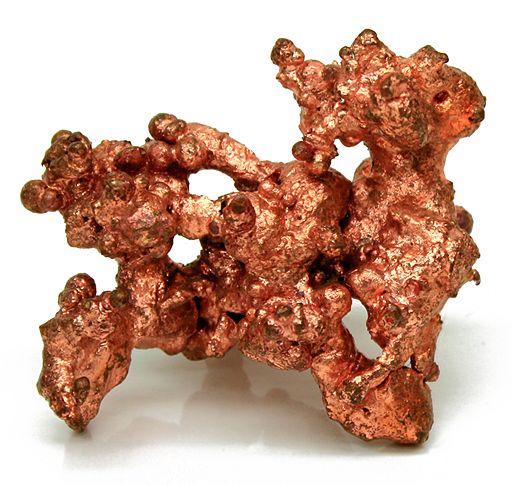
In fact, the research seems to indicate that copper levels are elevated in diabetics. As such, compounds that lower copper may actually be more beneficial for diabetes.
Read more: Copper for blood sugar
Fenugreek
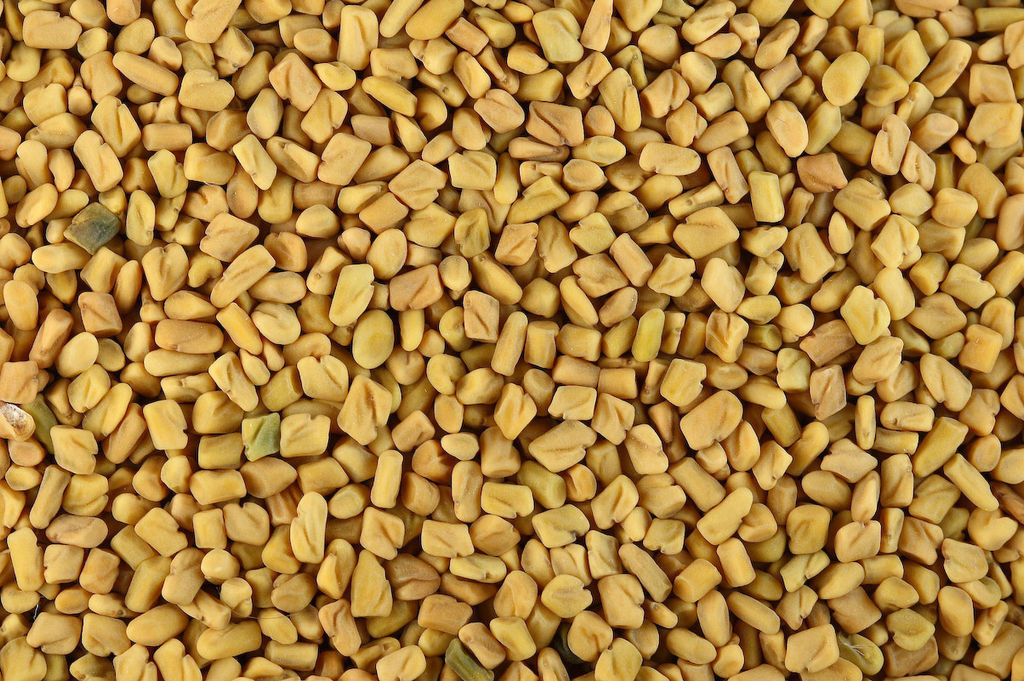
In terms of blood sugar, studies show that fenugreek can reduce the absorption of glucose from food and enhance the activity of insulin.
Fenugreek’s glucose benefits are backed by multiple human studies, making one one of the most reliable, evidence-backed options for blood sugar control.
Read more: Fenugreek for blood sugar
Ginseng

Ginseng is arguably the most popular medicinal herb in the world. Backed by a long history of use and a growing body of research, ginseng has been demonstrated to help with everything from cholesterol to brain health. In addition, some people also take ginseng to maintain healthy blood sugar.
Research suggests that ginseng can achieve this through reducing dietary glucose absorption, improving insulin function, and enhancing the transport of glucose into cells.
Human studies of ginseng as a hypoglycemic supplement report minor – but notable – reductions in fasting blood sugar.
Read more: Ginseng for blood sugar
Gymnema Sylvestre
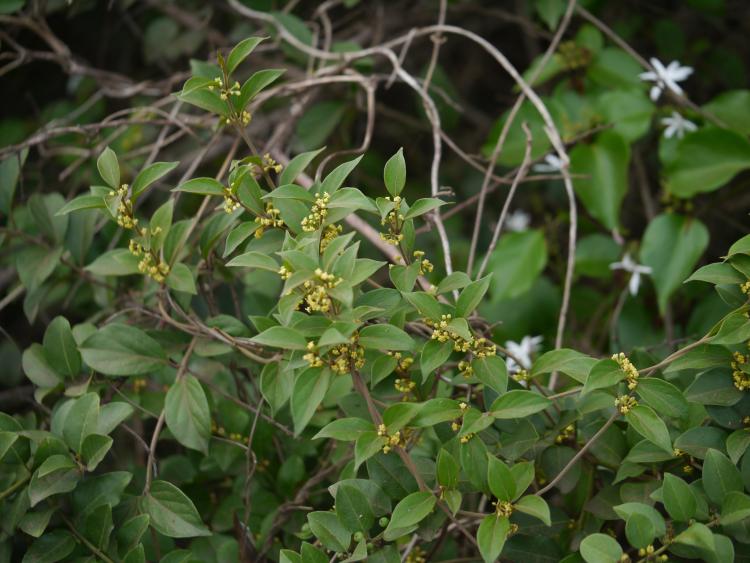
Gymnema sylvestre is a shrub found in India and Africa. It has a history of use in traditional medicine for treating diabetes, inflammation, and other common concerns.
In terms of bood sugar, gymnema holds the nickname “sugar destroyer” because chewing its leaves suppresses the taste of sweetness. In a similar way, taking gymnema supplements may reduce sugar absorption and metabolism, in addition to supporting the function of insulin-producing beta cells.
Studies of gymnema report reductions of blood sugar in both type 1 and 2 diabetics. However, more research is needed before a conclusive recommendation.
Read more: Gymnema sylvestre for blood sugar
Taurine

Taurine is an amino acid-like compound abundant in the human body and animal foods. It has many biological roles, which explains why taurine supplements are used for multiple purposes, including sports formulas, energy drinks, vision enhancers, and nootropics.
In terms of blood sugar, studies indicate that taurine’s antioxidant effects may protect insulin-producing beta cells from damage. In addition, it may also promote insulin release and insulin sensitivity.
Despite this, taurine’s potential as a blood sugar supplement is yet to be seriously explored in human trials.
Read more: Taurine for blood sugar
Vanadium
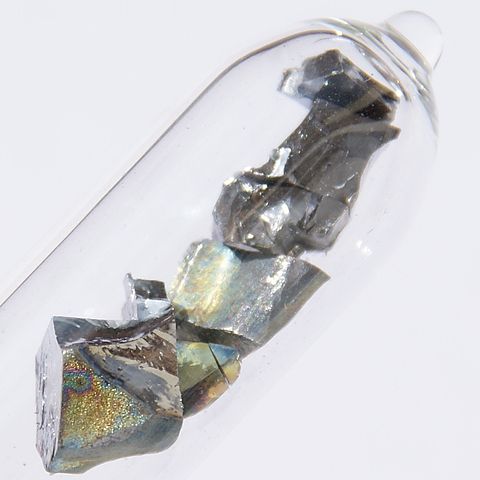
Having said that, early research suggests that vanadium may enhance and mimic the effects of insulin. Furthermore, multiple human studies of vanadium supplementation report reductions in measures of blood glucose control, so much so that experts believe it may be a “practical alternative” to prescription diabetes drugs. 1
Read more: Vanadium for blood sugar
